01 The Reality of Exchange Counterparty Risk
The golden rule of distributed ledger technology is straightforward: "Not your keys, not your coins."
When you buy Bitcoin or Ethereum on a centralized exchange (CEX), the exchange does not transfer control of private keys to you. Instead, they record an internal IOU on their private database. If the exchange suffers insolvency, mismanagement, or government asset freezes, customers become general unsecured creditors with little to no legal recovery recourse.
02 Hot Wallets vs Cold Wallets: Attack Surface Comparison
Software wallets (browser extensions, desktop apps, and mobile apps) store cryptographic private keys on internet-connected devices. These are designated as hot wallets:
Hot Wallets (Software)
- Keys reside in computer RAM and local storage.
- Vulnerable to keyloggers, Trojan malware, clipboard hijackers, and phishing browser extensions.
- A single infected OS file can silently drain all balances.
Cold Storage (Hardware)
- Private keys never touch the host computer or the internet.
- Transactions are signed cryptographically inside a certified chip.
- Physical verification required via device buttons before any transaction can broadcast.
03 Secure Element (SE) Hardware Architecture
High-grade hardware wallets (such as Ledger Nano devices) utilize an industry-standard Secure Element (SE) chip certified to CC EAL6+—the exact same military-grade hardware standard used in modern passports, credit cards, and banking SIMs.
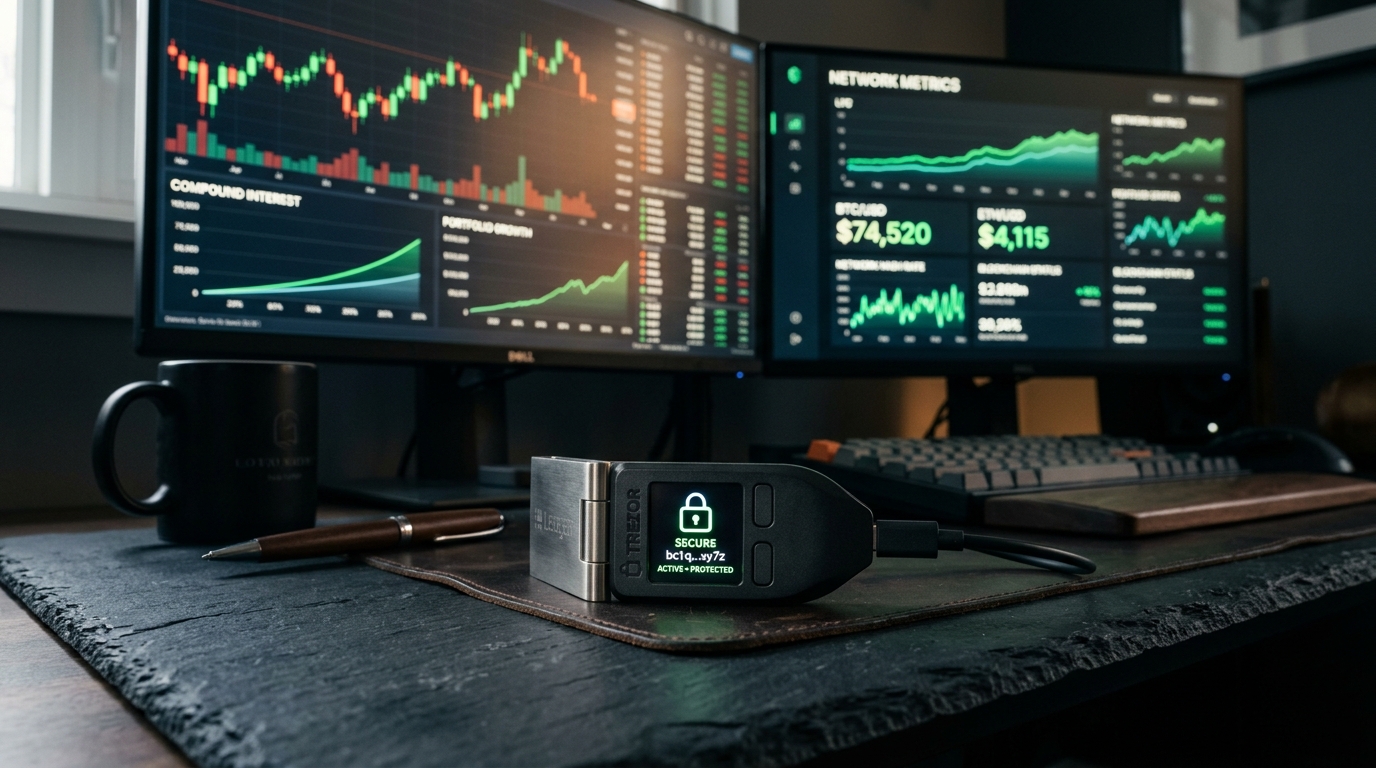
The Secure Element chip protects against physical side-channel attacks, fault attacks, and software probing. Even if a computer running the companion wallet software is thoroughly compromised by ransomware or spyware, the malware cannot extract the private key from the physical Secure Element.
04 BIP-39 Seed Generation & Air-Gapping Principles
During hardware device initialization, a true random number generator (TRNG) generates a master seed, rendered as a human-readable 24-word recovery phrase (BIP-39 standard).
The Golden Rules of Seed Phrase Security:
• Zero Digital Exposure: Never type your 24 words into a keyboard, take a screenshot, save them in password managers, or upload them to iCloud/Google Drive.
• Physical Steel Protection: Consider engraving the mnemonic into stainless steel plates resistant to house fires, floods, and structural collapses.
• Optional 25th Word Passphrase: Advanced users can configure a hidden passphrase creating a plausible-deniability secondary wallet.
05 Implementing Hardware Cold Custody
If you hold digital assets exceeding the cost of a hardware wallet, moving to self-custody is the single most impactful security measure you can take to protect accumulated wealth.
Hardware Cold Custody Checklist
When acquiring cold storage hardware, always order directly from verified manufacturer official domains rather than secondary marketplaces. Verify that the device firmware passes initial cryptographic attestation and store your 24-word recovery phrase strictly offline on paper or steel media.
Track Crypto & Fiat Valuations
Use our real-time converter for live cryptocurrency, precious metal, and fiat exchange rates.
06 Frequently Asked Questions
What happens if I lose my physical hardware wallet? ↓
Your cryptocurrency is not stored inside the physical device; it lives on the public blockchain. The hardware device simply holds the cryptographic keys. As long as you possess your 24-word recovery phrase, you can purchase any compatible BIP-39 hardware wallet, input the words, and restore 100% of your funds instantly.
Why shouldn't I buy a hardware wallet on second-hand marketplaces like eBay? ↓
Second-hand devices can be physically compromised or pre-programmed with a known seed phrase by malicious sellers. Always purchase hardware wallets exclusively from the manufacturer's verified official website to ensure unbroken supply-chain security.